Case Study
Omni — AI Integration Architecture
AI-augmented maritime CRM architecture for classification, entity extraction, prompt-action workflows, and operational automation.
Leading AI integration architecture at LgMAR — a modular foundation for extracting operational meaning from communication workflows.
Discuss a similar projectCase study by Aggelos Konstantilieris
Omni — AI Integration Architecture
AI integration architecture for Omni, LgMAR's maritime CRM and communication platform. This case study is intentionally sanitized: it covers architecture and approach only, with abstract diagrams in place of company material.
At a glance
By the numbers
- platform users
- ~3,000
- Omni web
- mobile app rating
- 4.5★
- 1,000+ installs · iTelix Plus
- AI-pipeline bugs landed
- 88%
- 43 tracked, analyze → verify
- auto plan-validation gate
- ~96/100
- before execution
- major / critical fixes
- ~55%
What we were solving
Context & problem
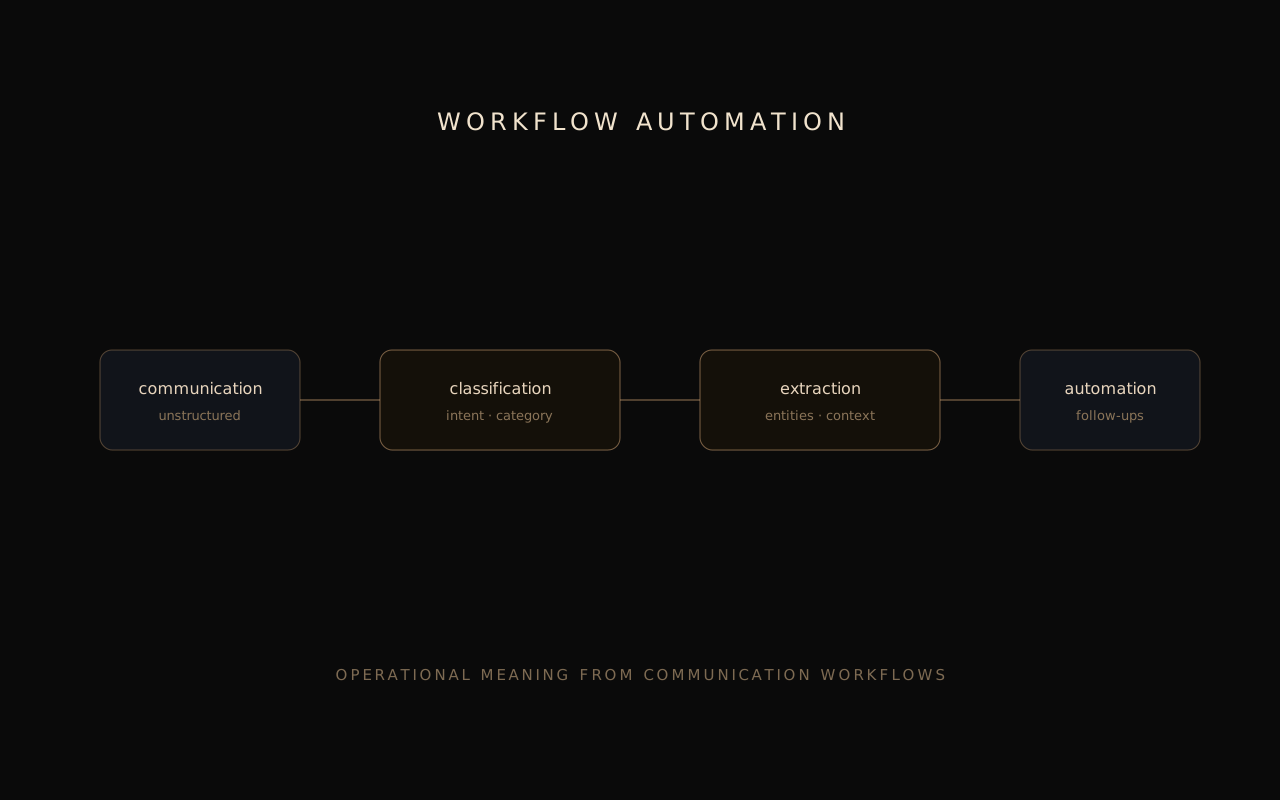
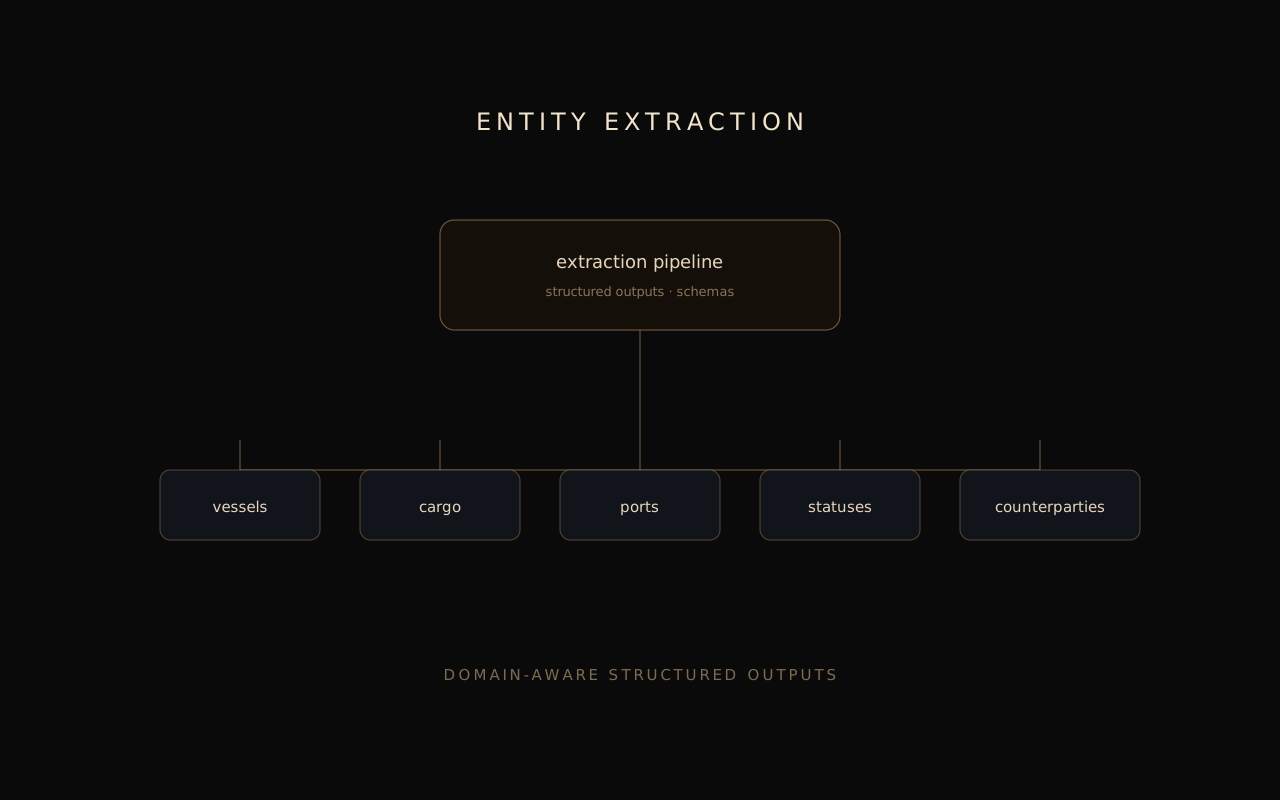
Maritime communication workflows contain unstructured operational information — vessels, cargo, ports, statuses, follow-ups, counterparties. That meaning lives inside free-form messages, where it stays invisible to the operational systems teams rely on.
The goal: a modular AI integration foundation for extracting operational meaning from communication workflows, without coupling domain logic to any single model or provider.
How we approached it
Solution
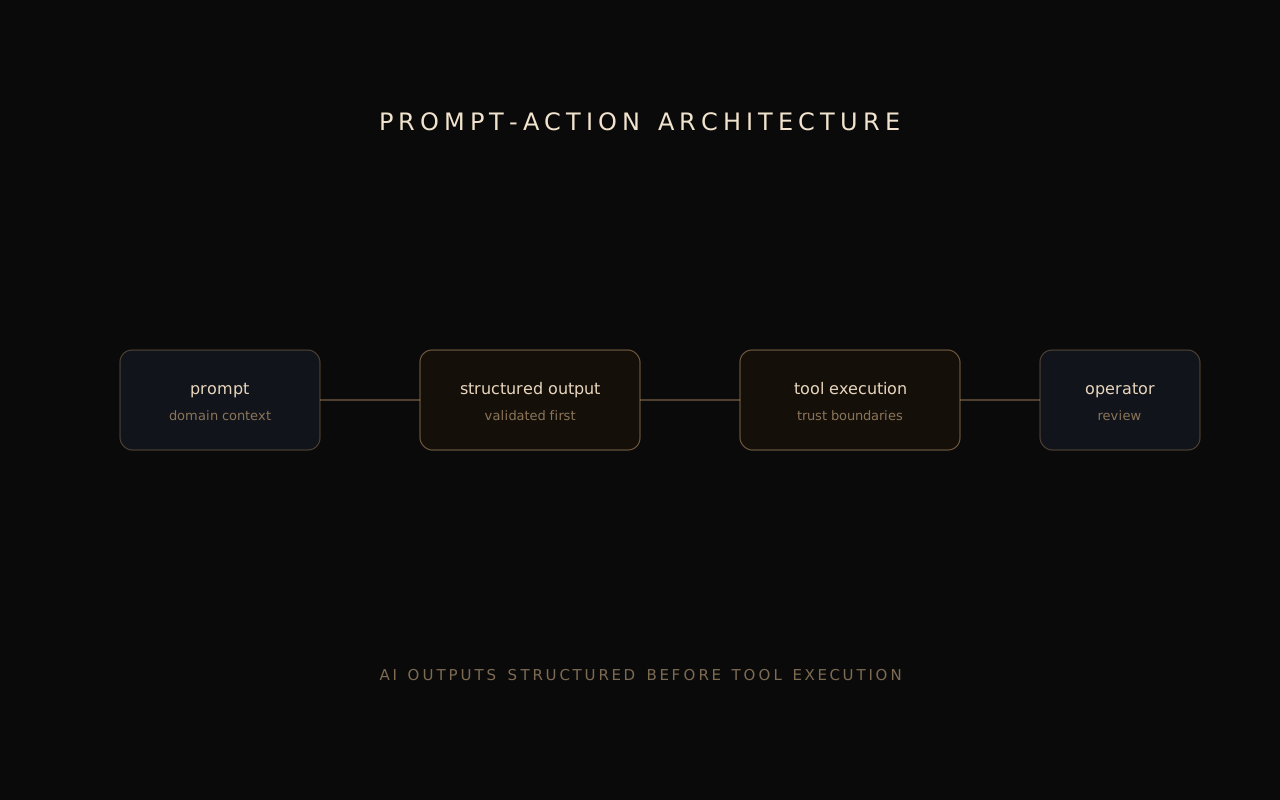
AI integration pipelines for classification, entity extraction, workflow automation, and structured prompt-action execution. AI outputs are structured and validated before any tool execution, so automation stays inside clear trust boundaries.
The architecture separates domain logic from orchestration and provider concerns, with observability and structured logging throughout, operator-trust UI surfaces for review, and modular provider flexibility as models evolve.
Impact
Outcomes
- - A scalable AI integration direction for operational CRM workflows.
- - Domain logic separated from orchestration and provider concerns.
- - AI outputs structured before tool execution.
- - Observability and structured logging for AI-assisted workflows.
- - Operator-trust UI surfaces for reviewing AI-driven actions.
Behind the scenes
Tech & delivery
Stack
- React
- TypeScript
- Node.js
- OpenAI
Challenges
- Extracting structured operational meaning - vessels, cargo, ports, statuses, counterparties - from free-form communication.
- Keeping domain logic independent of orchestration and provider concerns so the AI layer can evolve.
- Structuring and validating AI outputs before tool execution to keep automation inside trust boundaries.
- Designing operator-facing surfaces that make AI-driven actions reviewable and trustworthy.
How I worked
- Led AI integration architecture across classification, extraction, and prompt-action workflows.
- Introduced observability and structured logging for AI-assisted workflows.
- Collaborated with product, operations, and leadership on the AI roadmap.
More work
Related case studies
Matcha — AI Booking Platform
Live booking system for appointments and classes: an AI assistant answers customer messages on WhatsApp and books once they confirm, a hosted booking page takes direct bookings, and one calendar keeps the whole team in sync.
View case studyForge
Provider-agnostic system for running LLM batch and realtime jobs across OpenAI and Anthropic, with automatic retries and crash recovery.
View case studyApollon CRM
Full-stack CRM for pet boarding teams with room scheduling, client records, booking management, and financial reporting.
View case study